
Amanda Longie Helps Students Turn Life Experience into Lifelong Impact
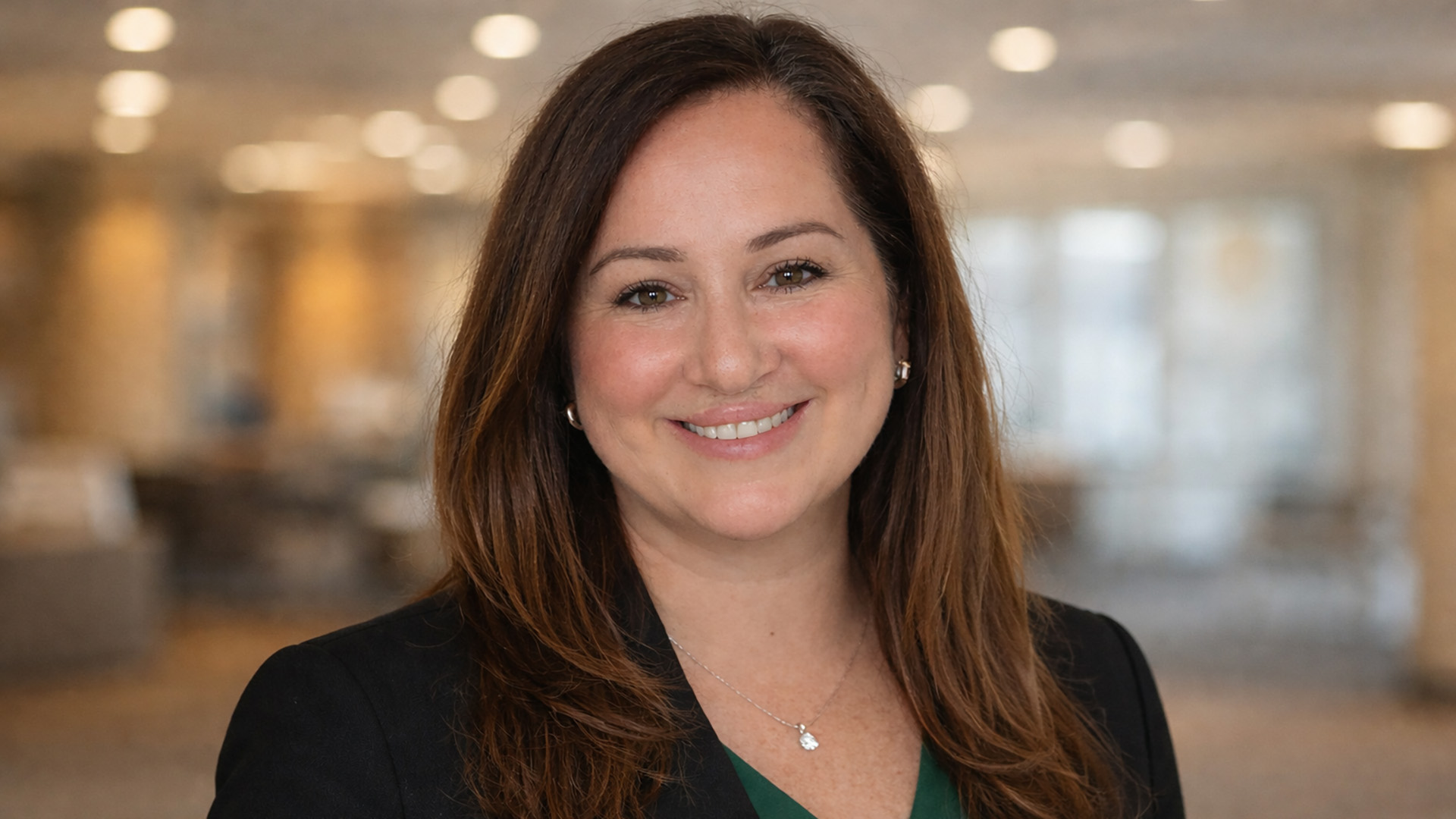
When Amanda Longie talks about her students, her voice fills with a sense of pride that comes from watching them discover not just a career, but a calling.
As an assistant professor of addictions and coordinator of Bemidji State University’s addictions program, Longie has built a program that provides limitless opportunities for students who want to make a difference.
Longie’s own path to the helping professions was not linear. Before becoming an educator and addictions specialist, she served as an intelligence analyst in the U.S. Air Force from 1998 to 2004. After leaving the military, she initially pursued a master’s degree in information technology but found the work to be unfulfilling.
“I knew I needed to do something that helped people,” she said.
That decision launched a career pivot that many adult learners will recognize. Longie earned a dual master’s degree in professional counseling and substance abuse counseling, completed clinical work at the VA Hospital in Phoenix and eventually moved to northern Minnesota. There, she worked in outpatient treatment, helped establish a drug court and collaborated with rural communities to build services where none previously existed.
“Helping people who were struggling, especially those dealing with co‑occurring mental health and substance use issues, felt like the right fit,” she said.
During that journey, she also discovered her love for teaching. She joined the BSU faculty as an adjunct instructor in 2016, and in 2019 earned a tenure-track position to help continue to build a program that fills a crucial regional need.
A Program Designed for the Real World
BSU’s addictions program offers a variety of pathways for students, built around the addictions counseling certificate, which qualifies graduates to earn certification as a Minnesota Licensed Alcohol and Drug Counselor (LADC).
Students can also pursue a minor in addictions, which pairs well with many other majors. Longie says the program serves about 100 students each semester, and they come from a broad spectrum of academic fields — psychology, social work, nursing, sociology, criminal justice and even communications majors find their way into the program.
It also has provided an opportunity for others who, like her, seek their calling in the helping professions and seek to redirect their careers with new skills.
“We meet students where they are,” Longie said. “Whether you’re returning to school, switching careers or taking your first college class in years, there is a place for you in our program.”
BSU’s curriculum is intentionally flexible, making it ideal for students balancing work, families or geographic distance. Because the certificate draws from both psychology and social work, courses can be applied toward both their major and the addictions certificate.
“It opens doors,” Longie said. “You can complete the certificate on its own, you can add it to your current degree program or you can return after earning a bachelor’s degree and still meet the requirements for licensure.”
This pathway is especially important in Minnesota, where Longie notes there is a significant workforce shortage of alcohol and drug counselors.
“Our graduates are needed everywhere — rural agencies, tribal communities, hospitals, schools and the criminal justice system,” she said. “Students step into the workforce quickly because the demand is so high.”
Real-World Experience Leads to Career Opportunities
Beyond the classroom, Longie says students have opportunities to gain experience through internships and clinical observations, and the program has an increasingly active Addictions Club. The student-led club coordinates conference participation and research projects, collaborates with other campus organizations to offer wellness events and activities and connects students with opportunities to engage in the community.
Some BSU addictions students work in the community as certified peer recovery specialists, supporting the community by providing
transportation to appointments, one‑on‑one encouragement or informal activities that help people stay connected.
“Peer recovery work allows students to support people in ways licensed clinicians sometimes can’t,” Longie said. “Our students are already out there helping, even before they graduate.”
When they do graduate, BSU’s addictions students have a vast menu of career opportunities. BSU alumni are serving as LADCs, clinical social workers, professional counselors, school-based specialists, treatment center clinicians and leaders in public health.
“Once you start working in this field, the opportunities are limitless,” Longie said. “You’re not just earning a credential, you’re stepping into a role where you can change someone’s life.”
And for many BSU students, including those who return later as mentors and guest speakers, it becomes more than a profession.
“It becomes a community,” Longie said. “And that’s what makes this work worth doing.”