
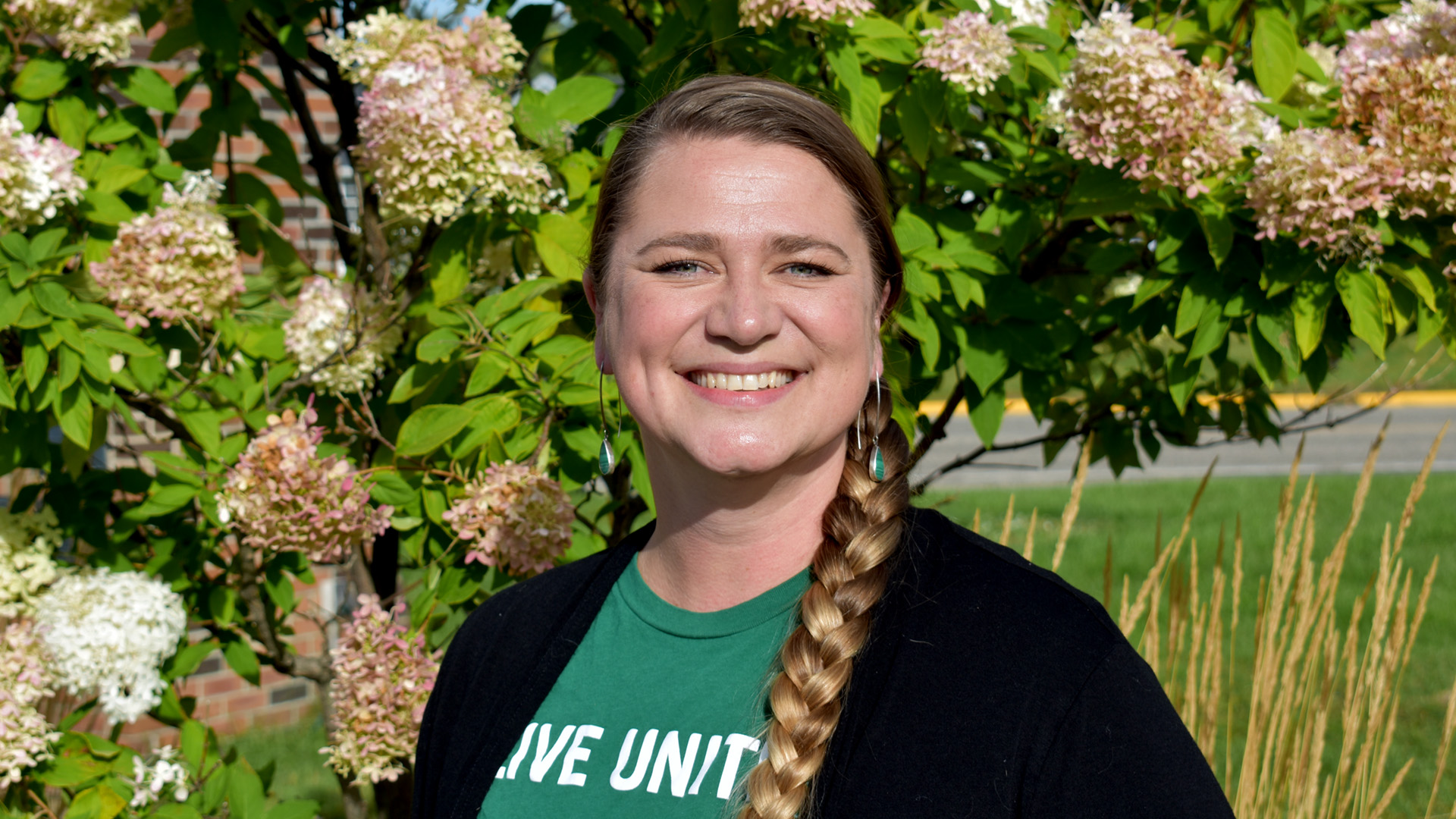
Bemidji State University’s Center for Empowered Communities, led by Dr. Anna Carlson, associate professor of environmental studies, is partnering with the Duluth-based Arrowhead Regional Development Commission to develop a regional climate resilience plan for Northeast and Central Minnesota.
The $1.22 million project is funded by Minnesota’s Environment and Natural Resources Trust Fund. The Arrowhead RDC is leading the project, with support from the Bemidji-based Headwaters RDC, the University of Minnesota’s Minnesota Climate Action Partnership, Bemidji State and others.
The project will develop a regional resilience plan to address ongoing climate changes that are causing “wetter springs, drier summers, shorter snow seasons, intense rainfall and prolonged dry spells” in central and northeast Minnesota. Rather than fragmented, community- or organizational-level responses, the Arrowhead RDC’s project aims to coordinate a regional effort to “protect and enhance air, water, land, wildlife, infrastructure and community resources.”
The project includes creation of a regional resilience plan, which will “integrate climate science, Indigenous knowledge and local expertise to enhance forest and water management.” The project will provide technical assistance, financial support and educational resources to build and strengthen local capacity for adapting to climate change. Additionally, the project will fund a dedicated regional educator to advance climate resilience planning and a series of small-scale, locally developed pilot projects that implement high-impact climate resilience strategies.
BSU students will participate in the creation of the regional resilience plan and in the day-to-day support of funded pilot projects.
“This is an exciting project,” Carlson said. “This first year, we are gathering the coalition of folks who will be actively working on these projects, and in year two we expect to have funding for our graduate students to participate in this work.”
The project is funded through June 2029.