
Bemidji State University, home to the nation’s oldest collegiate Ojibwe language program, is taking another historic step in Ojibwe language preservation and Indigenous language education with a new bachelor’s degree in Ojibwe education.
When BSU’s program launches in the spring of 2027, a new generation of Ojibwe language teachers will gain a combination of advanced language study, cultural education, professional teacher preparation and classroom experience.
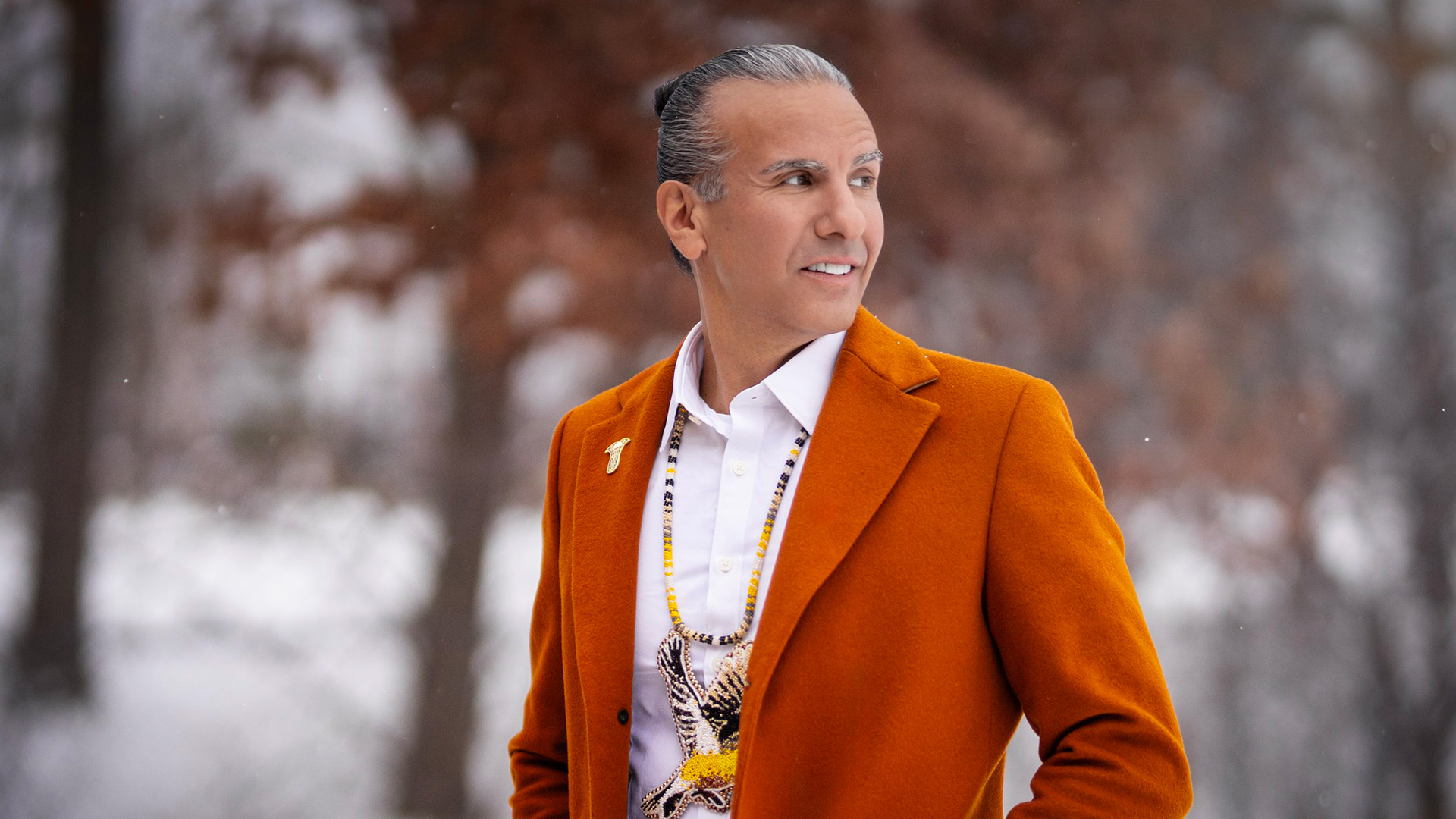
Dr. Anton Treuer, a professor of Ojibwe at Bemidji State who has led the program’s development, says Ojibwe language education will begin a fitting new chapter for BSU, more than 50 years after establishing its Indigenous studies and Ojibwe language programs.
“This is something we have dreamed about and worked toward for a long time,” Treuer said. “We have spent generations fighting to keep our language alive. Now we are building the educational infrastructure to ensure that the next generation has both the language skills and professional credentials to teach it. This is about turning language revitalization into a sustainable career pathway and creating opportunities for our children, our communities and our future.”
The Ojibwe language education program is supported by a $920,000 grant from the Midwest Indigenous Immersion Network, connecting Bemidji State to a broader initiative to strengthen Ojibwe language education and increase the number of qualified Indigenous language teachers.
Additionally, the program has been formally endorsed by the Leech Lake Band of Ojibwe and has been approved by BSU’s institutional accreditor, the Higher Learning Commission.
BSU’s program will combine a sequence of elementary, intermediate and advanced Ojibwe language courses with specialized studies in Ojibwe oral literature, grammar, language instruction, transcription and translation.
Students also complete professional education coursework in teaching methods, educational psychology, inclusive classrooms and culturally responsive instruction, along with supervised student teaching.
Learn more: Program information in BSU Course Catalog
Watch: “Make History. Teach Ojibwe.” video on YouTube
BSU addresses a growing need for teachers
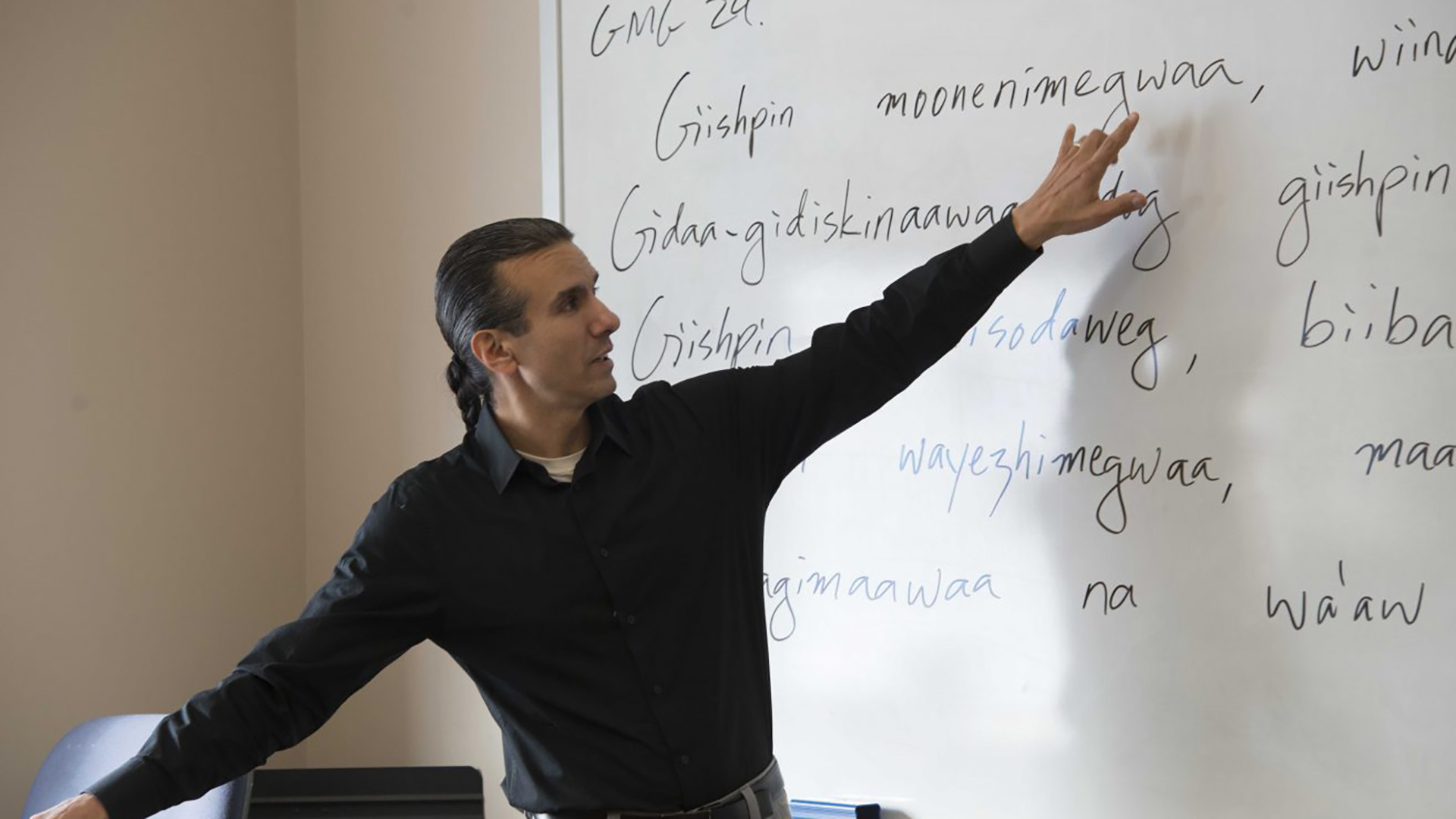
A 2023 Minnesota law requiring schools that meet specific American Indian enrollment thresholds to offer American Indian culture and language instruction has created additional responsibilities for school districts — and opportunities for educators.
As tribal nations, immersion schools and public school districts — in Minnesota and across the broader Great Lakes region — have worked to strengthen their Indigenous language instruction and meet evolving education requirements, the demand for qualified, professional teachers has grown, as well.
While the opportunities increase, prospective teachers have had limited access to university-level programs that integrate Ojibwe language proficiency with comprehensive professional teacher preparation.
BSU’s Ojibwe language education program will help to close those gaps and connect broader language revitalization efforts with professional teacher preparation and growing opportunities for employment.
Unlike programs that focus primarily on language proficiency or cultural studies, Treuer said BSU’s Ojibwe language education program provides a pathway to full Minnesota teacher licensure in American Indian languages and cultures, alongside licensure in either English language arts or social studies — a dual-licensure design that provides additional professional flexibility.
Treuer says the program will prepare graduates for careers in tribal, public, charter and immersion schools, as well as broader educational efforts supporting Ojibwe language and culture.
Preparing teachers for schools and communities
Treuer said that BSU’s program is built around the fundamental understanding that language fluency alone is not enough for classroom success: teachers need professional education training.
“We know that fluent speakers are essential, but fluency alone does not automatically prepare someone to manage a classroom, develop curriculum, assess learning or navigate the professional demands of teaching,” Treuer said. “Our goal is to prepare educators who can do all of those things while keeping Ojibwe language, culture and ways of knowing at the center of their work.”
The program emphasizes collaboration with families, tribal nations and schools, recognizing that Indigenous language revitalization depends on strong relationships between educational institutions and the communities they serve.
A new chapter for an enduring legacy
BSU started its Ojibwe language programs in 1969, beginning with adjunct language classes and expanding to a three-year Ojibwe course sequence in 1971. In the more than 50 years since that nation-leading effort, Bemidji State has played an influential role in preparing language advocates, scholars, educators, and cultural and tribal leaders. Alumni have also gone on to help establish prominent Ojibwe immersion schools.
The Ojibwe teacher education program builds on that legacy and further develops an Ojibwe language program that includes a minor and a certificate in language instruction.
Bemidji’s geography — in the midst of Minnesota’s three largest American Indian nations and with 25% of Bemidji’s population being Native American— and Bemidji State’s long history of strong professional education programs and Ojibwe language instruction uniquely position BSU to fill a pivotal need in the expansion of Ojibwe language education.
An investment in the Ojibwe language’s future
For Treuer, an internationally recognized author, educator and advocate for Indigenous language revitalization, the degree represents more than an expansion of Bemidji State’s academic programming: It is an investment in the long-term survival and growth of the Ojibwe language.
“Language revitalization is not just about preserving something from the past,” Treuer said. “It is about building a future where our children can grow up speaking Ojibwe, where our schools have the teachers they need and where our language continues to thrive in everyday life. This degree is one important piece of making that future possible.”
About Bemidji State University
Founded in 1919, Bemidji State University is a public university in northern Minnesota and a member of the Minnesota State system. Located in the heart of the Ojibwe homeland, BSU has a longstanding commitment to Indigenous education, language revitalization and community engagement. Its Ojibwe language program, established in 1969, was the first collegiate program of its kind in the United States.
Media Contacts
- Dr. Anton Treuer, professor of Ojibwe and program developer, is available for interviews about the degree, Indigenous language revitalization, teacher preparation and the history of Ojibwe language education at Bemidji State University. anton.treuer@bemidjistate.edu
- Dustin Burnette is executive director of the Midwest Indigenous Immersion Network, which provided financial support for Bemidji State’s bachelor’s degree in Ojibwe teacher education. gimiwan@miinojibwe.org
- Andy Bartlett is Bemidji State University’s director of communications. andy.bartlett@bemidjistate.edu