
Designed for K-12 music educators, the new master of music education at Bemidji State University combines intensive in-residence instruction with the flexibility of a 4-week low-residency summer program.
Program Overview
Three consecutive summer residencies will bring you and your cohort to Bemidji State, situated on stunning Lake Bemidji in Minnesota’s North Woods. Throughout the 33-credit program, you will enhance your pedagogical knowledge, develop advanced musicianship skills, perform vocally and instrumentally, and strengthen your praxis as a PK–12 music educator.

Timeline
As a Master of Music Education student, you will:
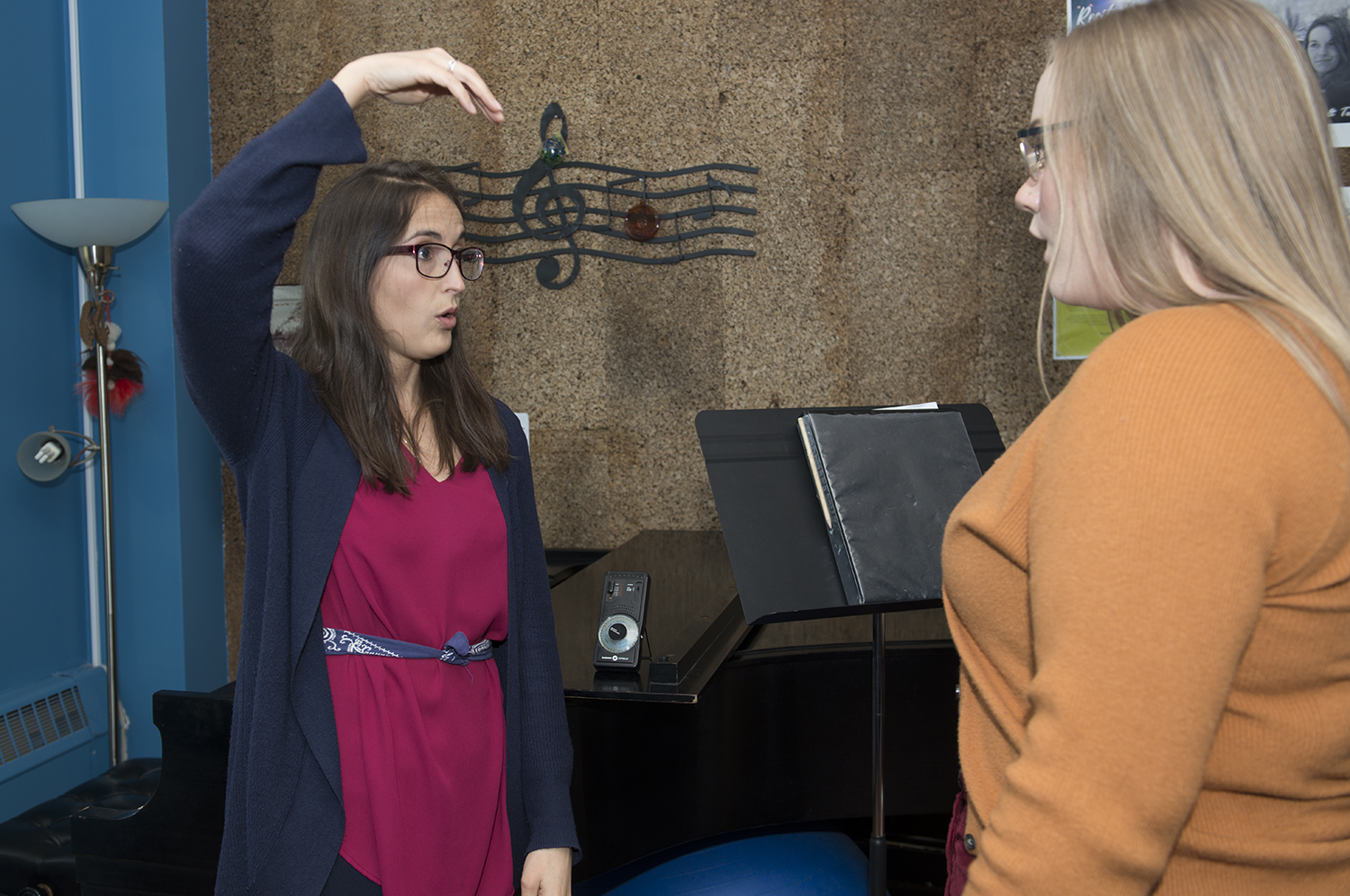
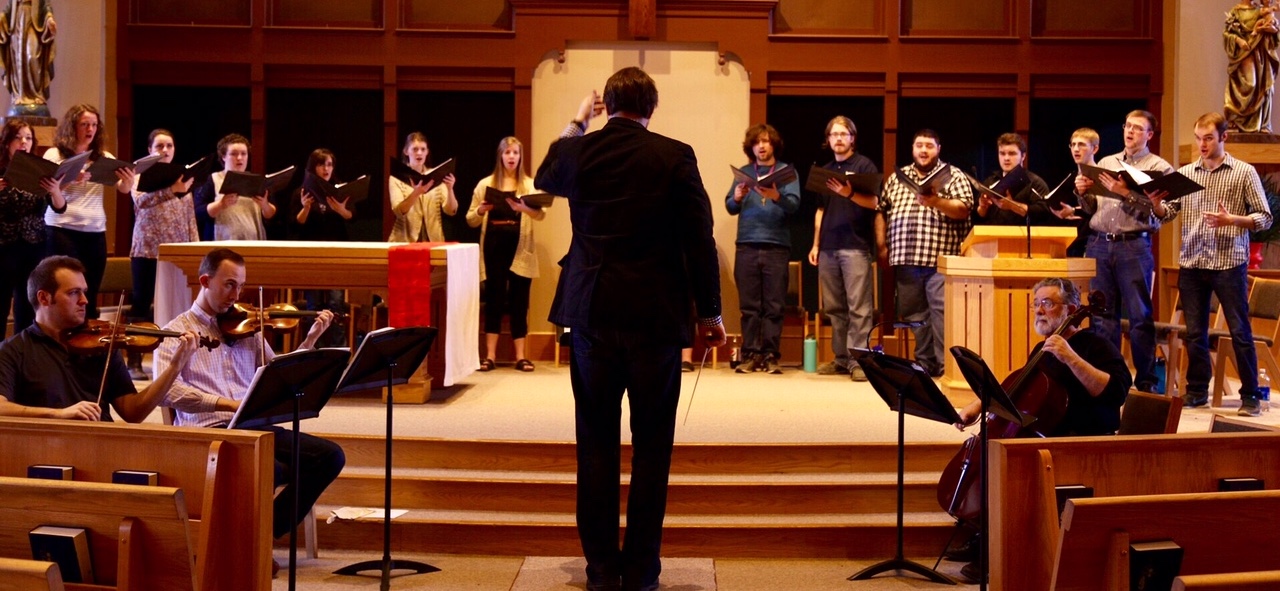
- Complete a four-week residency in Bemidji each summer, living in Linden Hall with your cohort or commuting to campus if you live nearby. The in-person coursework provides a variety of opportunities to broaden your knowledge and deepen your skills as a music educator. Come to campus ready to learn through musicking, moving, audiating, conducting, and collaborating. Be prepared to work hard and have fun!
- Enroll in a Graduate Lesson course with your capstone advisor during the fall and winder semesters between your second and third summer sessions. Tailered to your individual needs, this course is designed to support your continued learning and capstone work.
- Put the finishing touches on your capstone project or thesis during your third and final summer, then present it to the BSU School of Music community during the session’s final week.
Our Curriculum
Our Campus
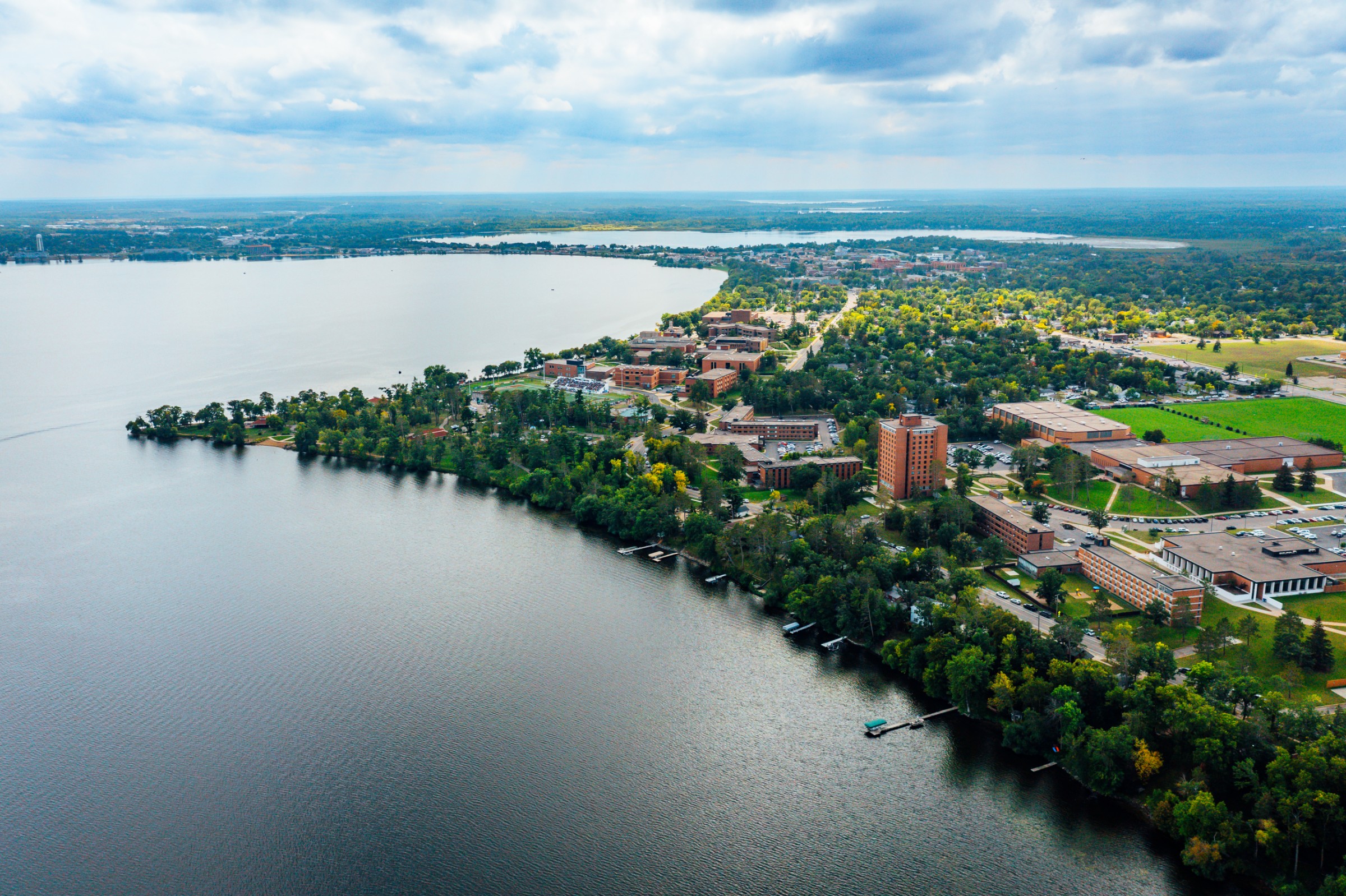
BSU’s 90-acre campus is about a mile from charming downtown Bemidji. On evenings and weekends, you might browse local shops and restaurants, visit the farmers market, enjoy music and arts, or explore area trails and state parks.
Our Faculty
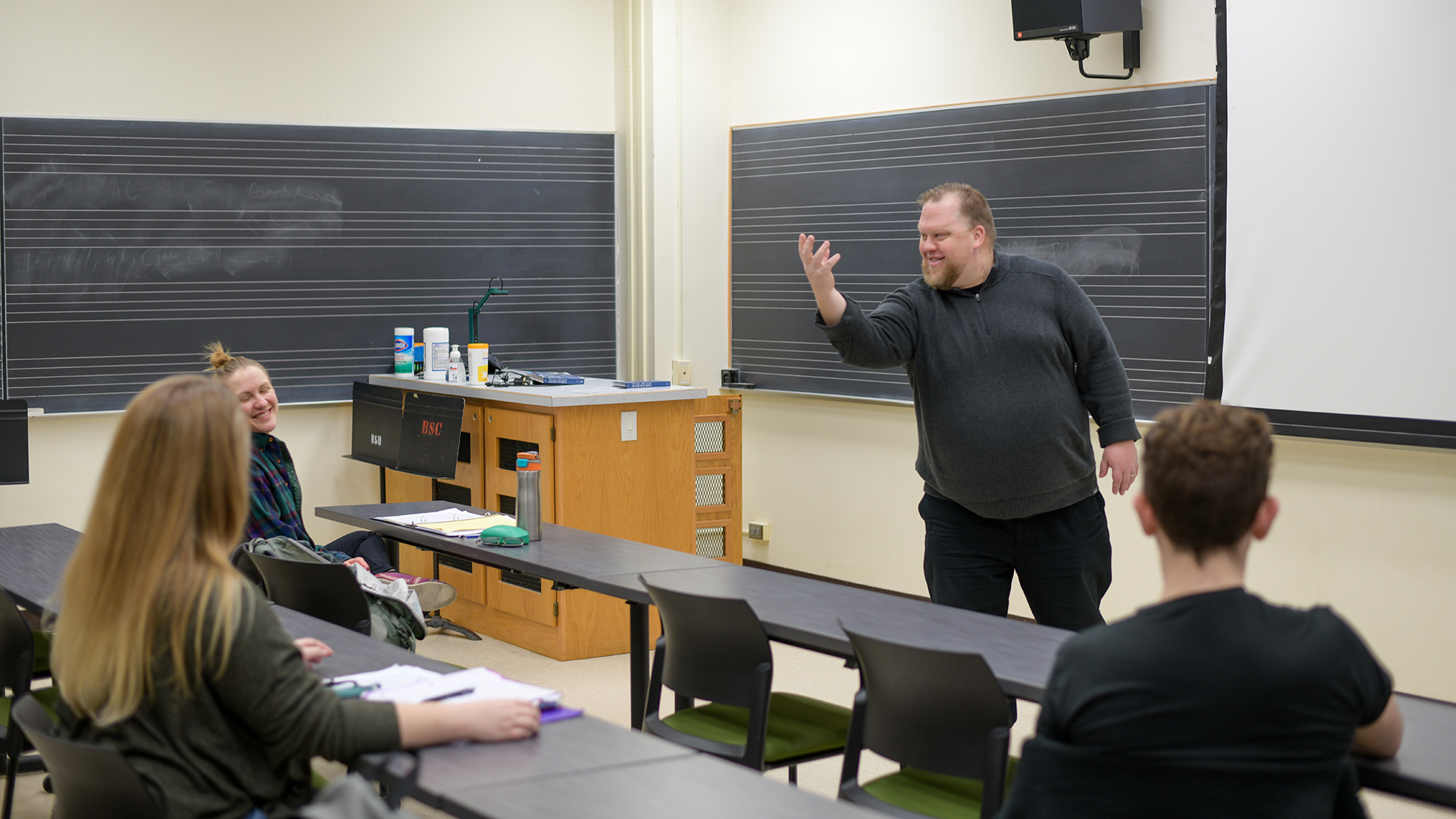
The faculty of the Department of Music are committed to the intellectual, musical and social growth of all the musicians who attend Bemidji State University.
Admission Policies and Requirements
The program launched its first cohort in Summer 2023.
Applications for admission to the Master of Music Education program are submitted through and forwarded by the BSU Office of Graduate Studies if the student meets their qualifications. The Music Department reviews forwarded applications against the following program-specific criteria:
Minimum Requirements:
- A completed bachelor’s degree in Music from an accredited institution, preferably with a major in music education; applicants with equivalent academic and professional preparation may be considered following department review.
- Proficiency in at least one instrument or voice part at the level of an undergraduate senior recital.
- A minimum cumulative undergraduate GPA of 3.0
Application Materials:
Applicants must submit the following as part of their application:
-
Official transcripts from all previously attended institutions
-
Letter of intent describing the applicant’s professional background, goals for graduate study, and area(s) of interest within music education
Review Process:
Applications meeting these minimum requirements are reviewed by the Music Department faculty to assess the applicant’s potential for success in graduate-level study. Because applicants come to the program with varied undergraduate backgrounds, performance areas, and professional interests (e.g., K-12 teaching experience, or private studio instruction), the department considers the full range of an applicant’s academic record, prior training, and stated goals when evaluating fit with the MME program’s purpose and objectives.
Admission decisions balance the need for standards sufficient to predict graduate success with the flexibility to admit qualified students pursuing different functions of graduate study within music education.
Basic Music Competencies:
- Completion of an bachelor’s degree in Music (per the minimum requirements above), which is presumed to establish baseline competencies in music theory, music history, applied performance, and ensemble musicianship.
-
Review of undergraduate transcripts to confirm coursework in core areas (theory, aural skills, music history/literature, and applied study)
-
Applicants who do not meet these parameters may be admitted provisionally, but must complete the corresponding courses they are missing in the undergraduate sequence.
Audition and Examination Design:
Applicants to the MME program will also complete a music education entrance interview and a musicianship entrance exam. The interview with the Program Director is designed to assess each applicant’s teaching background and readiness for graduate-level study in music education. The musicianship entrance exam is designed to assess foundational competence in music theory and aural skills typically expected of applicants who have completed a bachelor’s degree in music.
Complete the inquiry form to indicate your interest in applying or learning more about our program.
Visit our tuition and fees page for more information on costs.
Contact
Contact Corinne Galligan with any questions.